
The Truth About Sunlight — It’s Not the Enemy

Let’s start with the obvious: The sun gives life. For thousands of years, sunlight therapy — known as heliotherapy — has been used to support healing, mood, and vitality. Modern science now backs much of what our ancestors already knew.
The Real Benefits of Sunlight
Immune System: Sunlight triggers the production of vitamin D, essential for immune function, bone health, and mood regulation.
Mood & Energy: Morning sunlight increases serotonin, your “feel good” neurotransmitter — helping you feel calmer and more focused.
Sleep Quality: Natural light during the day helps regulate your circadian rhythm, so melatonin rises naturally at night.
Hormone Balance: Regular sunlight exposure supports testosterone and estrogen production (indirectly via improved sleep and circadian health).
Skin Health: Moderate sun exposure enhances skin barrier repair and boosts local immune defense — but only up to a point.

🔥 Why You Burn — and How to Stop It
Burning isn’t from the sun itself — it’s from too much, too fast. Your skin needs time to adapt and build its natural protection — melanin — which acts like your body’s internal sunscreen.
1: Start with Morning Light
Morning sunlight is low in UV and rich in infrared light, which helps prepare your skin for stronger midday rays. This early light exposure “tells” your body that daylight has begun — priming your melatonin cycle and circadian rhythm. Think of it as “training” your skin to handle the sun better.
2: Nutrition Shapes Your Sun Tolerance
Your ability to handle UV stress isn’t just about sunscreen — it’s about your internal defence system. If your diet is highly inflammatory, you’ll have less capacity to neutralise the oxidative stress that UV light naturally produces.
Key Nutrients
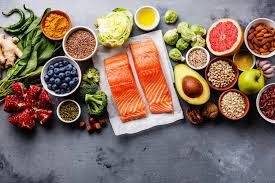
Astaxanthin – a red pigment found in seafood and eggs. Clinical studies show it can reduce oxidative stress and improve photoprotection.
Omega-3s – balance the omega-6:omega-3 ratio to reduce systemic inflammation.
Polyphenols & antioxidants – found in berries, olive oil, green tea — they boost your natural UV resilience.
Limit excess PUFAs – seed oils (sunflower, soy, canola, corn) are highly prone to oxidation and can amplify inflammation if omega-3 intake is too low.
3: The Sunglasses Theory?
We didn’t evolve with sunglasses, and our biology uses light entering the eyes to regulate hormones and mood. Morning and daytime light exposure helps synchronise your circadian rhythm, supporting alertness, sleep timing, and serotonin production.
However, here’s the nuance:
Occasional sunglass use doesn’t ruin your hormonal balance.
Chronic heavy tinting may reduce your body’s daylight signal if you spend all your time shaded.
BUT, High UV and intense glare can damage your eyes (cataracts, retinal stress).
The balance: get natural light exposure early in the day, but protect your eyes in harsh UV or reflective environments.
4: Grounding — The Connection Theory
This one’s less proven, but fascinating. “Grounding” — being barefoot or in direct contact with the earth — is thought to align your body’s electrical potential with the Earth’s natural frequency (7.83 Hz, known as the Schumann Resonance).
Preliminary studies show grounding can:
Reduce inflammation markers and pain perception.
Improve sleep and recovery.
There’s little direct evidence linking grounding to UV protection, but it may support recovery from inflammation — including after sun exposure.
🧬 Skin Type & Vitamin D — Know Your Range
Skin Type | Typical Features | Approx. Safe Sun Time* |
1 | Pale white, red/blond hair – burns easily | 10–15 min |
2 | Fair, blue eyes – burns easily, tans poorly | 20 min |
3 | Light–medium Caucasian – tans after mild burn | 40 min |
4 | Light brown – rarely burns, tans easily | 1 h |
5 | Brown – rarely burns, tans darkly | 1.5 h |
6 | Dark brown/black – never burns | 2 h+ |
*These are approximations. Your location, UV index, clothing, and season all matter.
☀ Sunscreen
If a sunscreen only lists Zinc Oxide and/or Titanium Dioxide as active filters — that’s a “mineral” or “physical” sunscreen, and generally considered safer.
When checking a sunscreen label, look at the active ingredients: if you see any of the below — treat the product as a “chemical sunscreen.” These are the ones with the more evidence-based concerns:
Common chemical UV filters of concern
Oxybenzone (benzophenone-3)
Octinoxate (octyl methoxycinnamate)
Octocrylene
Homosalate
Avobenzone
Octisalate / PABA derivatives
Ensulizole.
🌅 Bottom Line
Sunlight is essential — but context is everything. Your goal isn’t to avoid it. It is to build tolerance, nourish your body, and use light intelligently:
Morning sun for circadian rhythm.
Midday bursts for vitamin D.
Evenings for recovery and repair.
Real food and antioxidants to support your defences.
The sun isn’t your enemy — burning is.


Comments